

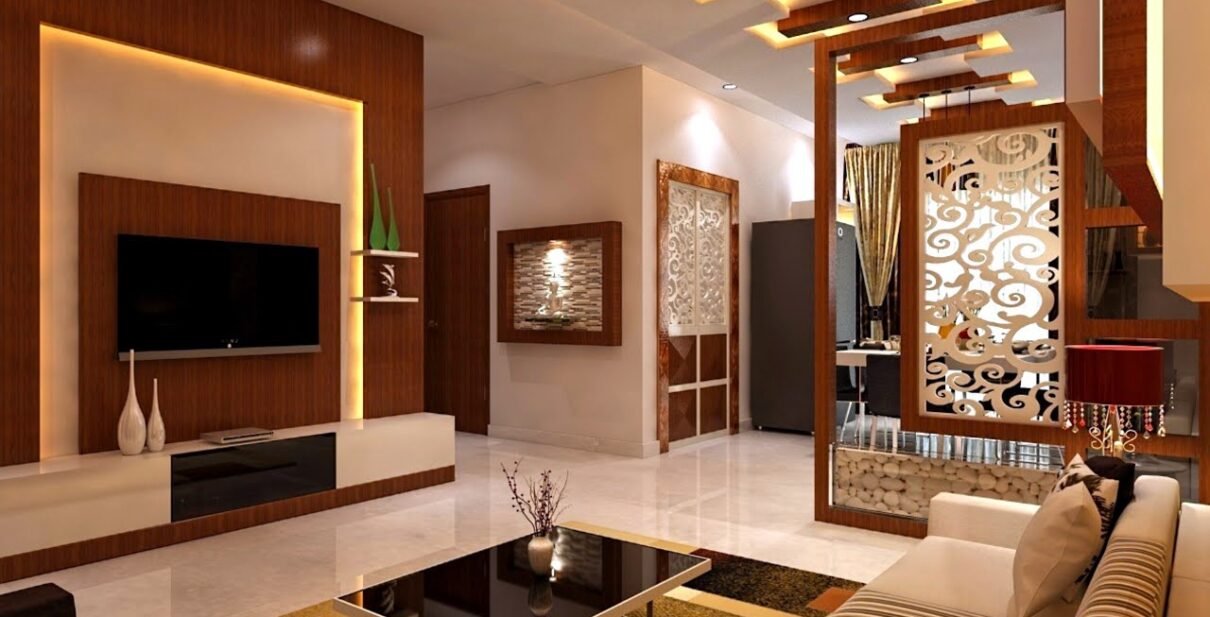
Interior design isn’t just about furniture or color palettes — it’s about how a space feels when you walk in. At Avana Buildcorp, we take a holistic approach to interiors, combining thoughtful design with precise execution to create spaces that reflect both personality and purpose.
The Foundation: Understanding Context Our interior process begins long before we select a single tile or fabric. We start by understanding the architectural shell, the natural light patterns, the views, and the structural elements that will influence every design decision.
Every building has its own character — the way sound moves through it, how shadows fall at different times of day, the relationship between interior and exterior spaces. These factors become the foundation upon which we build the interior concept.
We also spend considerable time understanding the people who will inhabit the space. A young family’s needs are different from those of empty nesters. A tech startup has different requirements than a law firm. The interior should amplify and support the activities that will happen within it.
Phase 1: Discovery and Concept Development Our discovery phase typically involves several site visits at different times of day. We want to understand how the space feels in morning light versus evening, how traffic patterns might develop, where the natural gathering spots are likely to be.
We conduct detailed interviews with our clients about their lifestyle, work habits, entertaining style, and aesthetic preferences. But we go deeper than surface preferences — we want to understand what environments make them feel most comfortable, productive, and happy.
From this research emerges a conceptual framework that guides all subsequent decisions. This isn’t just about style — it’s about creating an environment that supports the client’s best life.
Phase 2: Spatial Planning and Flow Once we understand the concept, we focus on spatial planning. This involves more than just arranging furniture — we’re choreographing movement and creating relationships between different areas.
Good spatial planning creates natural transitions between public and private areas, work and relaxation zones, formal and casual spaces. We pay special attention to sightlines, ensuring that from every position in the space, there’s something beautiful to look at.
We also consider the emotional journey through the space. How do you want someone to feel when they first enter? How should that feeling evolve as they move deeper into the interior? These emotional considerations drive our layout decisions.
Phase 3: Material Selection and Detailing Material selection is where our background in construction becomes invaluable. We don’t just choose materials based on appearance — we understand their performance characteristics, maintenance requirements, and aging properties.
Our relationship with natural stone gives us unique capabilities in this area. We can specify exact quarry locations, surface finishes, and edge details. We understand how different stones will interact with lighting and other materials in the space.
We also excel at creating custom elements that seamlessly integrate with the architecture. Built-in storage, integrated lighting, custom millwork — these details create the difference between furnished space and designed environment.
Phase 4: Integration and Execution This is where many interior design projects fall short — the gap between design concept and executed reality. Our integrated approach means the same team that conceived the design oversees its installation.
We coordinate closely with our construction and stone fabrication teams to ensure every detail is executed exactly as envisioned. When modifications are necessary during installation, our designers are on-site to make real-time adjustments.
Quality control is continuous throughout this phase. We inspect every installation as it happens, ensuring that the spacing, alignment, and finish quality meet our standards before moving to the next element.
The Art of Lighting Design Lighting is often the most underestimated element of interior design, yet it has perhaps the greatest impact on how a space feels. We approach lighting as a layered system with multiple functions.
Ambient lighting provides overall illumination and sets the general mood. Task lighting supports specific activities like reading or cooking. Accent lighting highlights architectural features or artwork. Decorative lighting serves as jewelry for the space.
We pay special attention to natural light integration, using window treatments, mirrors, and reflective surfaces to amplify and direct daylight deep into interior spaces.
Custom Elements and Artisanal Details What sets our interiors apart are the custom elements that can’t be purchased in any showroom. These might include:
- Hand-selected stone slabs with unique veining patterns
- Custom millwork designed to exact proportions
- Integrated storage solutions that disappear into the architecture
- Bespoke lighting fixtures created for the specific space
- Architectural details that tie interior and exterior together
These elements require close collaboration between designers, craftspeople, and installers. The result is an interior that feels completely original and perfectly suited to its setting.
Sustainability in Interior Design We’re increasingly focused on sustainable interior design practices. This includes selecting materials with low environmental impact, specifying finishes that don’t require frequent replacement, and creating flexible layouts that can adapt to changing needs.
Natural stone is inherently sustainable — it’s quarried rather than manufactured, requires no chemical treatments, and can last for generations with minimal maintenance. We also prioritize local sourcing when possible to reduce transportation impacts.
The Technology Integration Challenge Modern interiors must seamlessly integrate technology without being dominated by it. We plan for current needs while building in flexibility for future upgrades.
This might involve creating discrete pathways for cables, designing furniture that accommodates changing device sizes, or integrating charging solutions into built-in elements.
Living with the Design Our relationship with clients doesn’t end at installation. We typically schedule follow-up visits to see how the space is working in practice and make any necessary adjustments.
Great interior design should improve with age and use. The patina that develops on natural materials, the way textiles soften with time, the personal items that find their perfect places — all of these contribute to a space becoming truly personal.
The Avana Difference What makes our interior process unique is the integration with our construction and stone fabrication capabilities. We’re not just specifying materials and hoping they’ll work — we’re controlling the entire process from concept to completion.
This integration allows us to achieve details and quality levels that would be impossible with a conventional interior design approach. When we envision a particular stone pattern or custom detail, we have the capability to make it reality.
Starting Your Interior Journey Every great interior begins with understanding what you want your space to do for you. Before thinking about styles or finishes, consider how you want to feel in your space, what activities are most important to you, and what kind of impression you want to create.
Our initial interior consultations focus on these deeper questions. We find that when we understand the emotional and functional goals, the aesthetic direction emerges naturally.
Ready to transform your space from functional to inspirational? Let’s start the conversation about what’s possible.